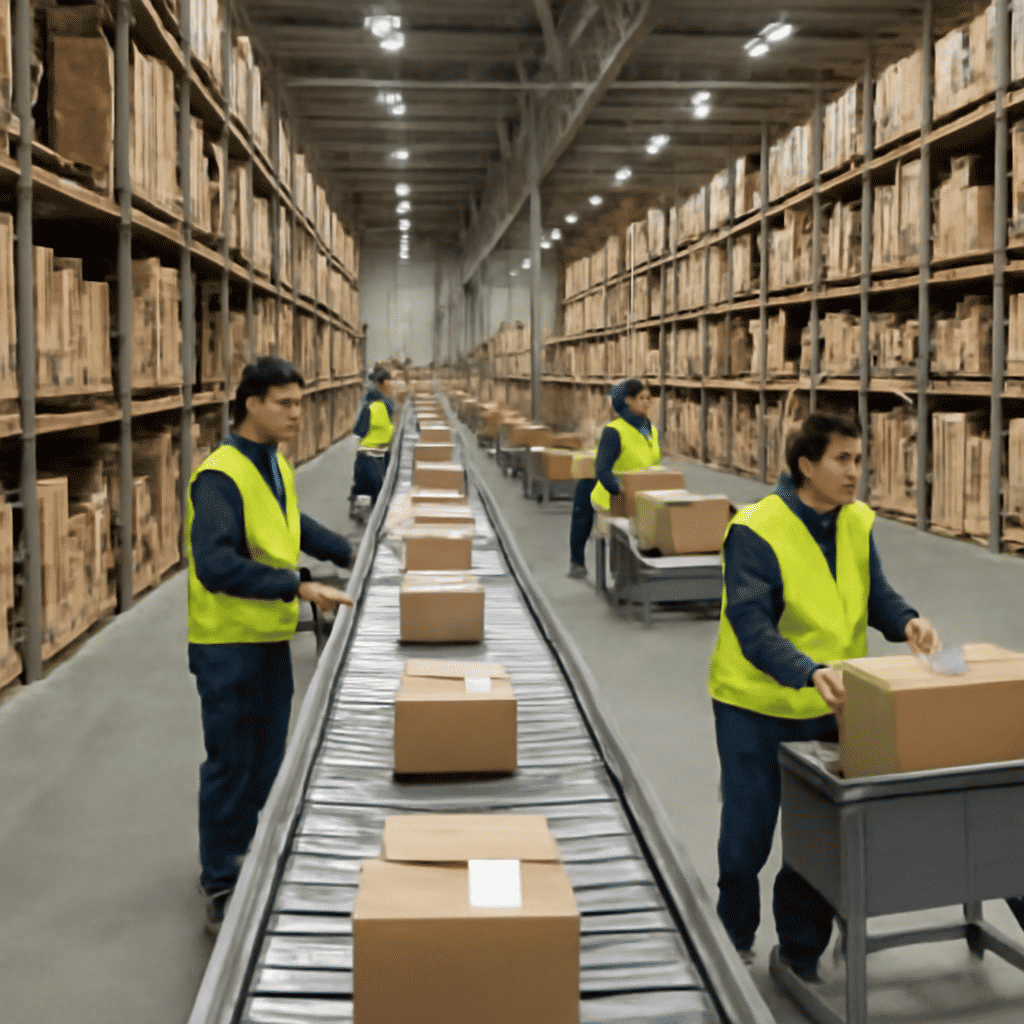
The digital revolution has fundamentally transformed the way consumers shop, leading to an unprecedented boom in e-commerce. This surge in online shopping has not only changed consumer behavior but has also significantly increased the demand for courier services. As retailers strive to meet consumers' expectations for fast and reliable deliveries, courier companies are under pressure to scale up and innovate.
One of the most visible impacts of e-commerce growth on courier demand is the sheer volume of parcels that need to be delivered. Online retailers, from global giants like Amazon to small local businesses, rely heavily on courier services to transport their goods to customers. This has led to a surge in the number of deliveries, particularly in urban areas, where the density of online shoppers is high. In response, courier companies are expanding their fleets, hiring more staff, and investing in technology to optimize delivery routes and improve efficiency.
However, tackling the increased demand isn't just about scaling up operations. Courier companies are increasingly adopting innovative strategies to remain competitive and meet customer expectations. Here are some of the notable strategies that have emerged:
-
Last-Mile Delivery Innovations: The "last mile" of delivery—the final step of getting a package from a distribution center to the customer's doorstep—remains one of the most challenging and costly stages of the shipping process. To address this, some courier companies are experimenting with alternative delivery methods such as drones and autonomous vehicles. These technologies promise to reduce delivery times and costs, particularly in congested urban areas.
-
Flexible Delivery Options: Understanding that not all consumers are available to receive a package during traditional delivery hours, courier companies are offering more flexible delivery options. This includes evening and weekend deliveries, as well as specific time slots chosen by the customer. Additionally, parcel lockers have sprung up in convenient locations, allowing customers to pick up their packages at their convenience.
-
Sustainability Initiatives: With growing awareness regarding environmental issues, courier companies are taking steps to reduce their carbon footprint. Some have invested in electric vehicles, while others are focusing on optimizing delivery routes to cut down on fuel consumption. Moreover, collaborations with green logistics partners enable these companies to offer eco-friendly delivery options, which appeals to environmentally conscious consumers.
-
Enhanced Tracking and Communication: Today's consumers expect transparency and reliability in their deliveries. To enhance the customer experience, courier companies are providing real-time tracking and updates via mobile apps and websites. This not only eases customer anxiety but also allows for more efficient handling of issues such as changes in delivery time or location.
-
Partnerships and Integrations: Many courier companies are forming strategic partnerships with e-commerce platforms to streamline processes. By integrating their systems, they can offer more seamless order processing, shipping, and tracking. Such collaborations enhance service delivery and customer satisfaction by providing real-time updates and quicker resolutions to delivery issues.
In conclusion, the rise of e-commerce has drastically influenced the courier industry, driving demand and necessitating innovation. As e-commerce continues to grow, so will the need for efficient, flexible, and sustainable courier solutions. Companies that adapt to these demands through technology and customer-centric strategies are likely to thrive in this rapidly evolving landscape. The future of logistics will be shaped by the ability of courier companies to not only keep pace with e-commerce advancements but also to anticipate and adapt to the ever-changing needs of digital consumers.