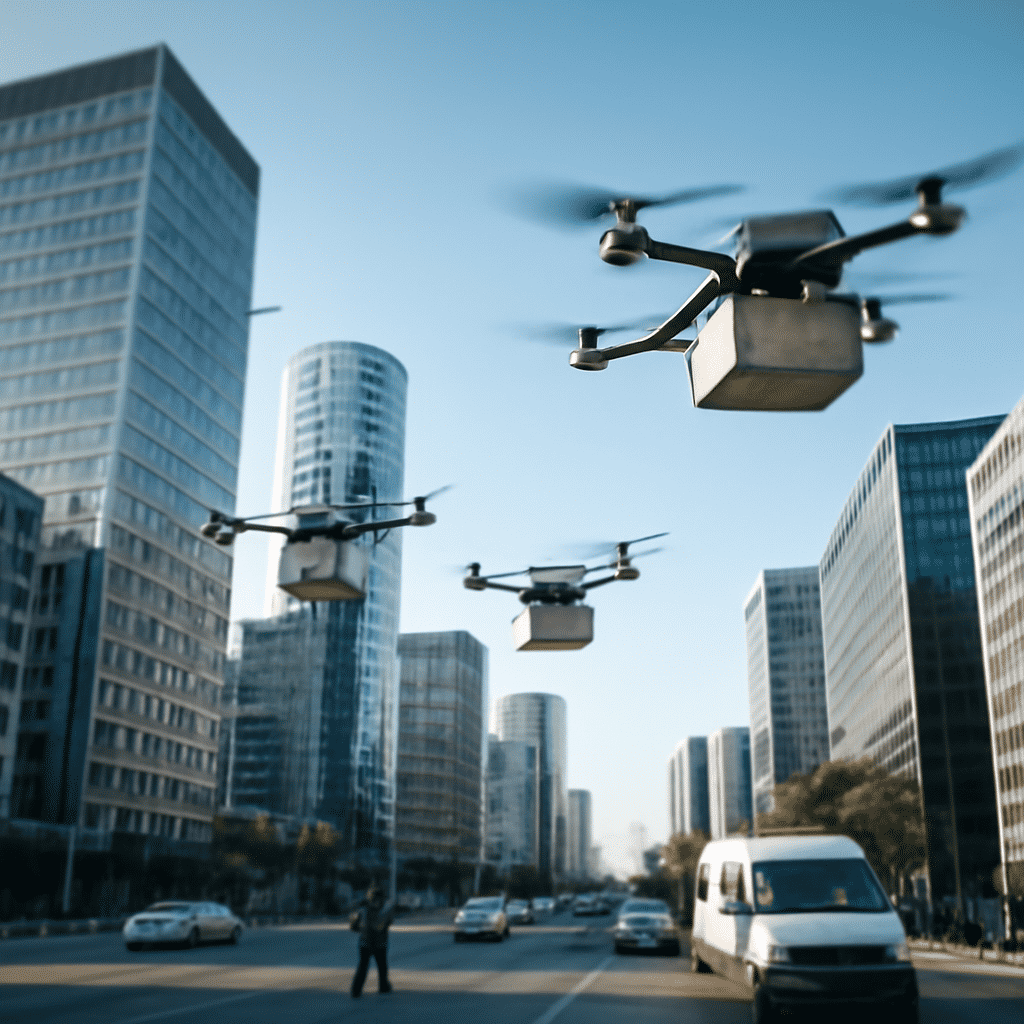
The courier industry, once characterized by manual sorting and paper logs, is undergoing a remarkable transformation in the digital age. This evolution is not only redefining logistics but is also reshaping how consumers and businesses interact with delivery services.
In the past, courier services relied heavily on physical labor and traditional methods of communication. Packages were manually sorted, and tracking them involved a tedious system of handwritten logs and phone calls. This often resulted in inefficiencies, delays, and a lack of transparency — challenges that are swiftly becoming relics of a bygone era.
Today, digital transformation is at the forefront of the courier industry's evolution. Technological advancements are being rapidly embraced to address the limitations of the past. These advances are making deliveries faster, more efficient, and remarkably customer-centric.
One of the most significant shifts has been the integration of sophisticated tracking systems. With the advent of GPS technology and IoT devices, both customers and service providers can track parcels in real-time. This transparency builds trust, as customers are assured interplay on the whereabouts and expected delivery time of their packages.
Automation is another game-changer. Sorting facilities now employ robotics and artificial intelligence to streamline the process of identifying, sorting, and dispatching packages. This reduces human error and speeds up operations, allowing for same-day or even next-hour deliveries, which were unimaginable only a few years ago.
The courier industry is also leveraging big data to optimize delivery routes. Algorithms analyze traffic patterns, weather conditions, and even historical data to suggest the most efficient routes. This not only cuts down delivery times but also reduces fuel consumption, aligning with environmental sustainability goals.
E-commerce has propelled the need for courier services that are both nimble and scalable. In response, many companies are adopting flexible models, offering customizable delivery options to cater to diverse customer needs. From contactless drop-offs to locker pick-ups, the convenience offered is unparalleled.
Moreover, the rise of digital platforms has led to a surge in app-based courier services, allowing for the seamless scheduling of pick-ups and deliveries with just a few taps on a smartphone. These platforms enhance user experience through features like instant chat support, secure payment gateways, and personalized notifications.
Blockchain technology is also making inroads into the industry, offering enhanced security and efficiency. By creating immutable records of each step in the delivery process, blockchain reduces the risk of fraud and increases accountability, providing a secure framework for all transactions and interactions.
As digital transformation continues to revolutionize the courier industry, challenges remain. Security, data privacy, and the integration of evolving technologies require ongoing attention and innovation. However, the trajectory is clear: courier services are becoming smarter and more aligned with the demands of a rapidly digitizing world.
In conclusion, the evolution of courier services is a testament to the power of digital transformation. By embracing cutting-edge technologies, these services are not just keeping pace with but are actively shaping the future of global logistics. As efficiency, transparency, and speed become the norm, both businesses and customers stand to benefit from an industry that is fundamentally reimagining itself for the 21st century.