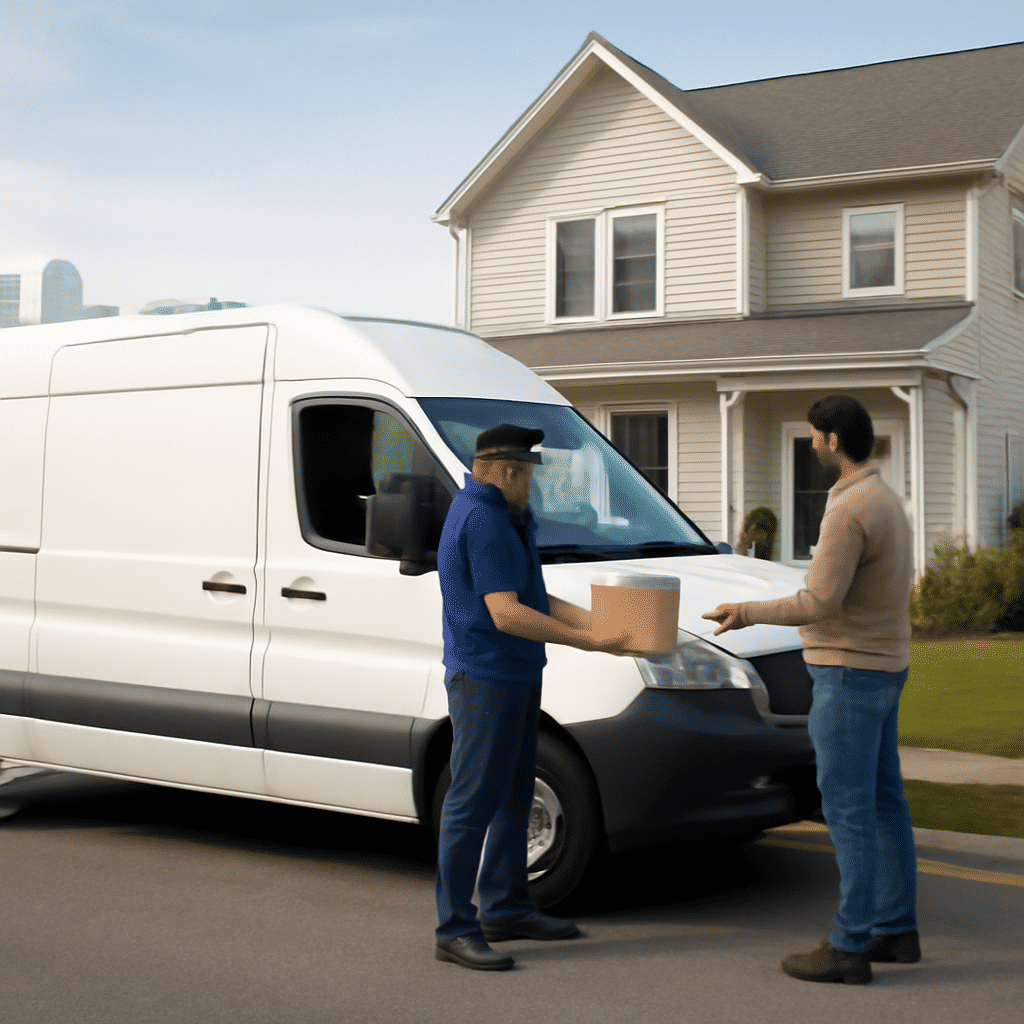
In today's rapidly evolving world, speed and efficiency have become paramount in nearly every aspect of our lives. Whether it's communicating with loved ones, accessing information, or making transactions, the expectation for immediacy is higher than ever. This urgency extends particularly to the realm of logistics and delivery services. Fast delivery has transitioned from a luxury to a necessity, fundamentally reshaping consumer expectations and business operations alike.
Fast delivery services enable consumers to receive their packages in record time, turning a once cumbersome process into a seamless experience. This acceleration in delivery times is powered by advanced technology, sophisticated logistics networks, and innovative last-mile delivery solutions. Companies invest heavily in state-of-the-art tracking systems, real-time data analytics, and AI-driven logistics management to ensure that packages are sorted, processed, and dispatched with unprecedented speed.
Moreover, the ubiquitous rise of e-commerce platforms has heightened the need for fast delivery options. Online shoppers have grown accustomed to the idea of placing an order and having it delivered to their doorstep within days, or even hours. In this competitive landscape, retailers that can provide speedy delivery are more likely to attract and retain customers, gain a competitive edge, and foster customer loyalty.
The benefits of fast delivery extend beyond fulfilling customer expectations; they also contribute significantly to the efficiency and output of businesses. Quick turnaround times reduce inventory holding periods, minimize warehousing costs, and allow companies to operate more dynamically. By optimizing their supply chains for speedy delivery, businesses can adapt more swiftly to market demands, launching products and services that are responsive to consumer trends and preferences.
Despite these advantages, the push for faster delivery services brings its own set of challenges. Environmental concerns, for instance, are a rising issue, as increased frequency of deliveries can lead to higher emissions. Companies are now tasked with balancing the need for speed with sustainable practices, leveraging eco-friendly vehicles and optimizing delivery routes to mitigate their environmental impact.
In addition, ensuring reliability alongside rapid delivery is crucial. The promise of speed is only valuable when it is consistently met with precision. Any failure to deliver on time can lead to customer dissatisfaction and harm company reputations. Therefore, companies must maintain robust infrastructure that can handle high volumes and unexpected disruptions, whether due to weather conditions, unforeseen demand spikes, or global events.
Fast delivery is redefining the consumer experience and business operations in profound ways. As technology continues to advance, the scope and potential for even faster delivery seems limitless. Both businesses and consumers stand to benefit greatly from these developments, provided that the industry continues to innovate responsibly, balancing speed with service quality and sustainability. The world moves faster with every passing day, and delivery services are no exception, paving the way for a future where immediacy and reliability go hand in hand.